
Postcodes are an essential element of the UK’s address system. They ensure that mail is sorted and delivered accurately. Without postcodes, deliveries would be slower and less efficient. Understanding the number and structure of postcodes is essential for people navigating the postal system, as well as businesses and services that rely on accurate location data.
The Royal Mail, the official postal service of the UK, manages the postcode system and regularly publishes updates and reports about its structure and usage. This article aims to answer common questions, provide detailed insights into the total number of postcodes, and highlight the importance of postcodes in everyday life.
Table of Contents
What Are Postcodes in the UK?
A postcode is a unique alphanumeric code used to identify a specific location or address within the UK. The system was introduced by the Royal Mail in the 1950s to improve mail sorting efficiency. Each postcode is designed to represent a specific geographic area, often down to a single address or building.
The postcode structure helps streamline the delivery of mail and goods. In urban areas, postcodes are densely packed, whereas in rural areas they can cover wider areas. This system makes it easier for services like delivery companies and emergency responders to reach specific locations with high precision.
How Many Postcodes Are There in the UK?
The current estimate of postcodes in the UK exceeds 1.8 million. This figure includes individual postcodes used for both residential and business purposes. The number is dynamic, constantly updated to reflect new developments, population growth, and urban Expansion. The Royal Mail regularly monitors and adjusts the postcode system as the need for new addresses arises.
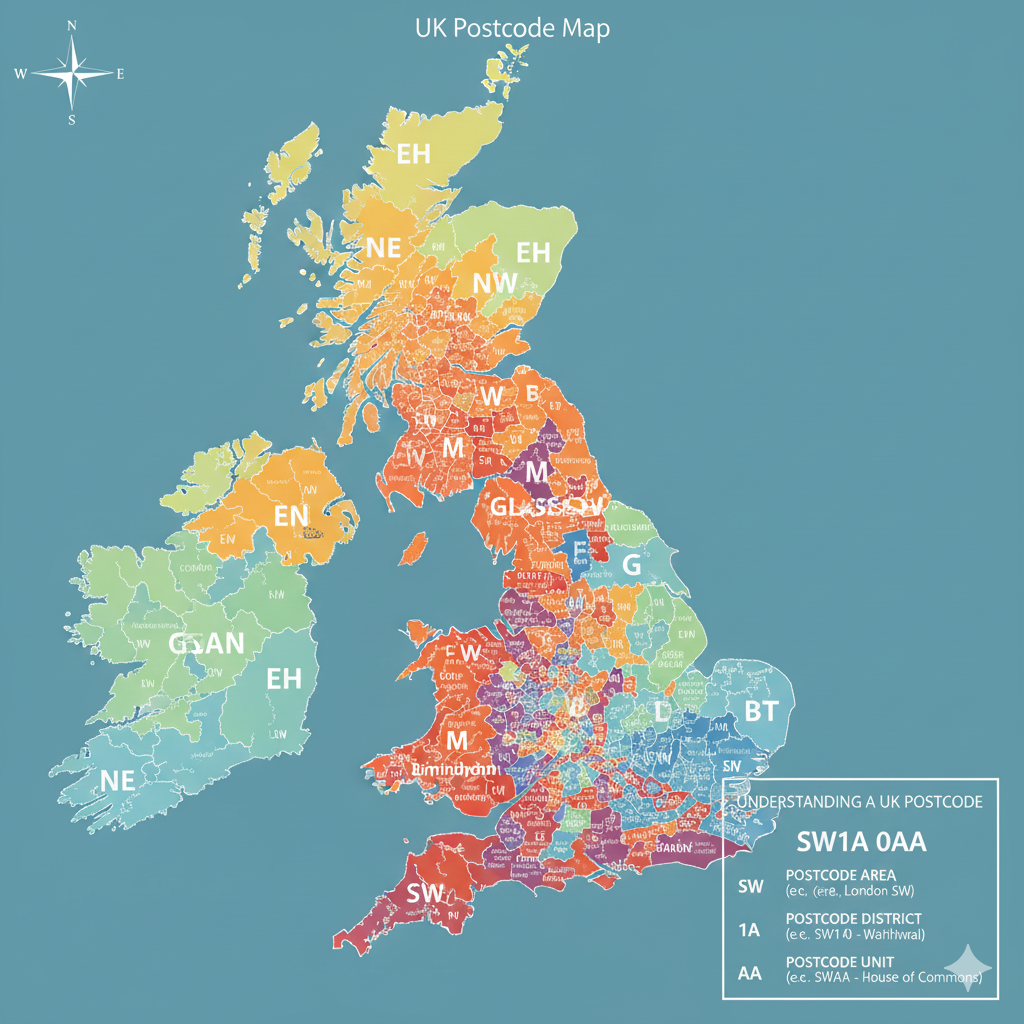
Postcodes in the UK are spread across England, Scotland, Wales, and Northern Ireland. England has the largest number of postcodes due to its higher population density and larger cities. Smaller regions like Scotland and Wales have fewer, but still critical, postcodes that enable effective mail and service distribution across the country.
How Are Postcodes Organized in the UK?
Postcodes are structured into several components, making it easier to identify locations. A typical UK postcode includes an area code, a district, a sector, and a unit. The area code is the largest division, followed by smaller divisions such as the district, sector, and unit. Each unit usually corresponds to a street or even an individual building.
The postcode system is managed by the Royal Mail, and the codes are designed to improve mail sorting and deliveries. Urban areas, particularly cities like London, tend to have shorter codes due to the density of addresses. In contrast, rural postcodes may be longer to cover larger regions.
How Many Postcodes in the UK Postcode Lottery?
The UK Postcode Lottery is a charity-based lottery that uses postcodes to select winners. Every ticket is linked to a specific postcode, and winnings are distributed to people living within those postcodes. This means that winning a lottery prize often depends on the postcode drawn, rather than individual ticket numbers.
The Postcode Lottery is a significant contributor to charitable causes across the UK, supporting thousands of projects. Postcodes play a central role in determining the outcome of each lottery draw. With millions of eligible postcodes in the UK, each draw can bring prizes to residents in different areas, further underscoring the importance of accurate postcode mapping.
Mapping Postcodes in the UK
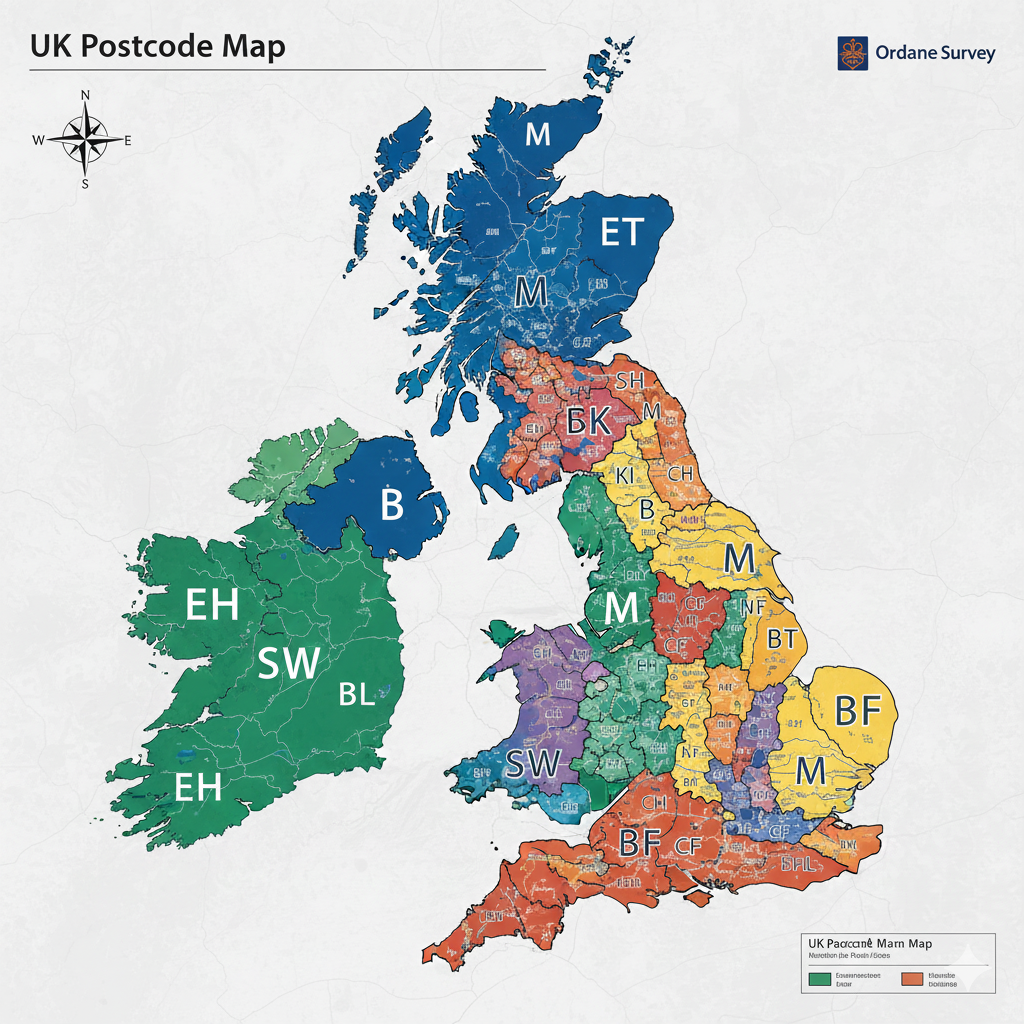
Postcode mapping helps visualize the distribution of postcodes across the UK. By using postcode maps, you can identify the exact area a postcode covers. Postcode maps are available through the Royal Mail and other resources, helping businesses, postal services, and individuals understand postcode structures.
These maps are particularly useful for targeting services like home deliveries, postal routes, and marketing efforts. Geospatial tools can also help pinpoint specific postcodes, offering insights into local demographics and helping businesses optimize their operations by understanding regional needs.
Regional Breakdown of Postcodes in the UK
Postcodes are distributed differently across the UK. England has the largest concentration of postcodes, particularly in major cities such as London, Manchester, and Birmingham. Urban areas have smaller postcodes due to the higher density of addresses. This system allows postal workers to deliver mail efficiently in busy city centers.
In Scotland, Wales, and Northern Ireland, postcodes are less dense. However, these regions still have detailed postcode systems that ensure mail and deliveries are distributed accurately. Each country has a customized system that suits its population and geography, ensuring the effectiveness of the entire UK postcode network.
Changes and Trends in the Number of Postcodes
As the population grows and urban areas expand, the number of postcodes in the UK continues to increase. The Royal Mail frequently updates its postcode system, introducing new codes when areas require more precise identifiers. New housing developments and suburban Expansion are major drivers of this growth, leading to more postcodes being added.
Occasionally, some postcodes may be merged or decommissioned. This happens when areas experience a population decline or if changes in urban planning reduce the need for separate codes. These adjustments ensure that the postcode system remains efficient and reflective of the country’s changing demographics.
Fun Facts About Postcodes in the UK
Did you know that some of the UK’s postcodes are famous worldwide? The postcode “W1” in London is one of the most recognizable, as it covers iconic areas like Westminster and Mayfair. Other large postcode areas, such as “AB” in Scotland, cover vast regions with low population density.
Postcodes can also be used to highlight unique features of the UK. For example, some postcodes represent rural or isolated areas, while others are densely packed in urban centers. These variations in size and distribution make postcodes a fascinating part of the UK’s geographic identity.
Why Postcode Information is Important
Postcodes provide much more than just a way to sort mail. They are used by businesses for targeted marketing, by delivery companies to find addresses, and by the emergency services to reach locations quickly. Understanding postcodes is key to effective service delivery and efficient urban planning.
In addition to business and emergency uses, postcodes also support government planning. They help map out population trends, allocate resources, and create policies based on geographic data. Government agencies and local authorities rely heavily on postcode data to make informed decisions about infrastructure and public services.
Conclusion
Postcodes play a crucial role in the UK’s infrastructure, from mail sorting to emergency services. With over 1.8 million postcodes across the country, the system is complex but essential for daily operations. As the population grows and urban areas expand, the number of postcodes continues to rise.
Postcodes also have a cultural significance, especially in the UK Postcode Lottery. Understanding how postcodes work can help individuals and businesses navigate the country’s postal system more effectively. As the Royal Mail evolves the system to accommodate new areas, postcodes will remain a vital part of the UK’s geography and economy.
FAQs
1. How many postcodes are there in the UK?
As of the latest estimates, there are over 1.8 million postcodes in the UK. This includes all types of postcodes used for residential, business, and postal purposes.
2. Why are postcodes important in the UK?
Postcodes help in the efficient sorting and delivery of mail. They are also essential for services like navigation, business targeting, and emergency responses. Postcodes make it easier to pinpoint exact locations across the UK.
3. How are UK postcodes structured?
UK postcodes have several components: an area code, a district, a sector, and a unit. This structure ensures that postcodes are precise and easily used for sorting mail and deliveries.
4. Can postcodes change over time?
Yes, postcodes can change due to urban Expansion or population changes. New developments may require new postcodes, while less populated areas may see codes retired or merged.
5. How does the UK Postcode Lottery work?
The UK Postcode Lottery selects winners based on postcodes. Residents living in winning postcodes share in the prizes. This system helps distribute rewards across various communities, supporting charitable causes.
About The Author